Hydrogen Breathing:100x More Powerful
Drinking hydrogen water is good. Breathing hydrogen gas delivers 50-100x more molecular hydrogen directly to your brain, lungs, and bloodstream— where it can work faster and more effectively.
How Hydrogen Breathing Works
Understanding the science behind why inhalation is the most effective way to get molecular hydrogen into your body.
H2 Gas Generation
A hydrogen generator uses electrolysis to split water molecules (H₂O), producing pure molecular hydrogen gas (H₂). This is the same process used in clinical research and hospital settings.
Inhalation via Nasal Cannula
The hydrogen gas is delivered through a comfortable nasal cannula (the same type used for supplemental oxygen). You breathe normally—no special technique required. The H₂ concentration is safe (typically 2-4%) mixed with regular air.
Rapid Systemic Absorption
Hydrogen enters your lungs and diffuses directly into your bloodstream within seconds. From there, it reaches every organ—including crossing the blood-brain barrier to reach your brain. This direct route bypasses the digestive system entirely.
Selective Antioxidant Action
Once in your cells, molecular hydrogen selectively neutralizes the most harmful free radicals (hydroxyl radicals •OH and peroxynitrite ONOO⁻) while leaving beneficial signaling molecules intact. Excess H₂ is safely exhaled.
Why This Matters
When you drink hydrogen water, the H₂ must survive your digestive tract before reaching your bloodstream—and much is lost to stomach acid and gut bacteria. Breathing delivers hydrogen directly to your blood, skipping the GI tract entirely.
Research-Backed Benefits of Hydrogen Inhalation
Clinical research has identified several areas where hydrogen breathing may provide therapeutic benefits.
Brain Health & Cognition
H₂ easily crosses the blood-brain barrier. Research suggests it may support cognitive function, memory, and neuroprotection against oxidative stress.
Study highlight: A pilot study found improved cognitive scores in elderly participants after 6 months of H₂ inhalation.
Athletic Recovery
Elite athletes use hydrogen inhalation to reduce exercise-induced oxidative stress and accelerate recovery between training sessions.
Research: Reduced blood lactate levels and decreased muscle fatigue markers in athletes using H₂ therapy post-exercise.
Systemic Inflammation
Inhalation delivers H₂ throughout the entire body, potentially reducing inflammatory markers more effectively than localized methods.
Evidence: Studies show reduction in CRP, IL-6, and other inflammatory biomarkers with regular H₂ inhalation.
Respiratory Support
Direct delivery to the lungs makes inhalation particularly relevant for respiratory conditions. Some hospitals now use H₂ as adjunct therapy.
Clinical use: H₂ inhalation used in hospital settings in China and Japan for respiratory patients.
Cardiovascular Health
Hydrogen reaches the heart and blood vessels directly through inhalation, potentially supporting vascular function and blood flow.
Research: Improved flow-mediated dilation and reduced arterial stiffness in clinical studies.
Sleep & Stress
Many users report improved sleep quality and reduced stress when using H₂ inhalation before bed. H₂ may support autonomic nervous system balance.
User reports: Common feedback includes deeper sleep, easier relaxation, and calmer mornings.
Breathing vs. Drinking: The Critical Difference
Both methods deliver molecular hydrogen, but the dose and delivery mechanism create significant differences in effectiveness.
| Factor | Drinking H2 Water | Breathing H2 Gas |
|---|---|---|
| H2 Concentration | 0.5-1.6 ppm | 2-4% (20,000-40,000 ppm) |
| Total H2 Delivered | ~1.2 mg per 500ml | ~60-100 mg per hour |
| Absorption Route | GI tract → blood | Lungs → blood (direct) |
| Time to Bloodstream | 10-30 minutes | Seconds |
| Brain Penetration | Limited | High (crosses BBB easily) |
| Lung Exposure | Minimal | Direct & high |
| Convenience | Very convenient | Requires sitting still |
| Best For | Daily maintenance, GI benefits | Serious therapeutic use |
The Bottom Line: Why Not Both?
The most effective protocol combines both methods: drinking hydrogen water throughout the day for convenient, continuous low-dose exposure, and adding inhalation sessions for higher-dose therapeutic benefits.
This is exactly why the PureONE was designed to do both— it's the only home device that produces both hydrogen-rich water AND provides medical-grade hydrogen inhalation therapy.
Hydrogen Breathing Protocol
How to incorporate hydrogen inhalation into your daily routine for optimal results.
Start Here
- 15-30 minutes per session
- Once daily
- Morning or evening
Perfect for getting started. Let your body adapt gradually.
Daily Protocol
- 30-60 minutes per session
- 1-2 times daily
- Morning + before bed
What most clinical studies use. Ideal for therapeutic benefits.
Intensive
- 60-90 minutes per session
- 2-3 times daily
- Or overnight while sleeping
For athletes, recovery, or specific health goals. Consult healthcare provider.
Pro Tips for Maximum Benefit
Multi-task
Read, work, watch TV, or meditate while inhaling.
Sleep Inhalation
Many users inhale while sleeping for extended exposure.
Combine Methods
Drink H2 water during the day, inhale morning/night.
Consistency Matters
Daily use yields better results than sporadic sessions.
Best Hydrogen Breathing Devices
Not all hydrogen devices are equal. Here's what to look for when choosing equipment for home use.
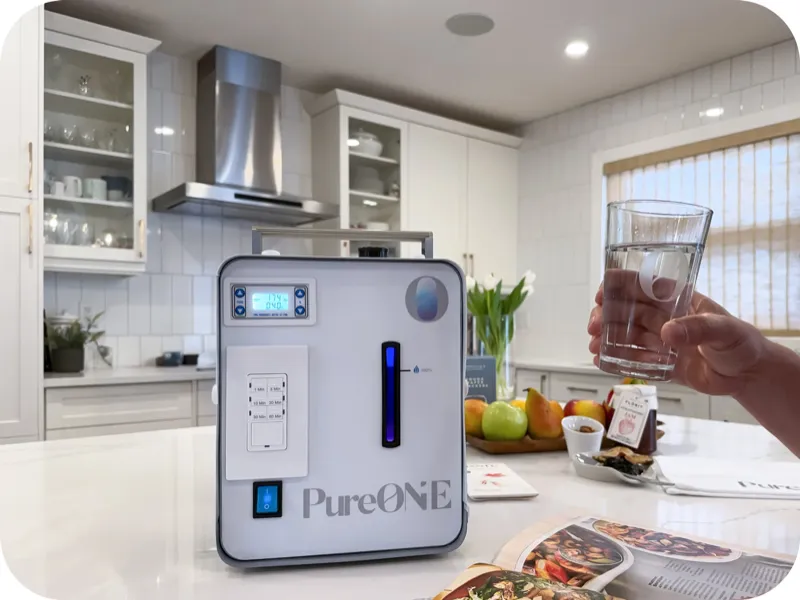
PureONE
The only home device that delivers both hydrogen-rich drinking water AND medical-grade hydrogen inhalation therapy—in one machine.
- Water + Inhalation in one device
- 150ml/min hydrogen output
- Medical-grade nasal cannula included
- Lifetime warranty
Key Features to Look For
Must-Haves
- • 100ml/min minimum H2 output
- • PEM/SPE electrolysis technology
- • Medical-grade nasal cannula
- • Auto-shutoff safety features
- • At least 1-year warranty
Red Flags
- • No flow rate specified
- • Plastic components near electrodes
- • No warranty or short warranty
- • Unverified H2 concentration claims
- • No safety certifications listed
Featured By
Gary Brecka on Hydrogen Therapy
"Molecular hydrogen is one of the most powerful antioxidants I've ever seen. It's selective—it only goes after the bad guys and leaves the good ones alone."
— Gary Brecka, Human Biologist & Wellness Expert
Gary Brecka has brought hydrogen therapy into the mainstream, recommending hydrogen water and inhalation as part of his protocols for optimizing human performance.
Frequently Asked Questions
Is breathing hydrogen gas safe?
Yes, when using proper equipment designed for therapeutic hydrogen delivery. Your body naturally produces hydrogen gas during digestion. Clinical studies have used hydrogen inhalation without adverse effects, and some hospitals now use it as adjunct therapy. The key is using devices with appropriate H2 concentrations (2-4%) and safety features.
How long should I inhale hydrogen each day?
Clinical protocols typically use 30-60 minutes per session, 1-2 times daily. Beginners should start with 15-30 minutes and gradually increase. Some users inhale for longer periods (60-90 minutes) or even overnight while sleeping. Consistency matters more than duration—daily use yields better results.
Can I breathe hydrogen while sleeping?
Yes, many users do overnight inhalation sessions. Quality devices like PureONE are designed for extended use with safety features. The nasal cannula is comfortable for sleeping. Some users report improved sleep quality with overnight hydrogen inhalation.
Is hydrogen inhalation better than hydrogen water?
Each has advantages. Inhalation delivers 50-100x more hydrogen and reaches the brain and lungs more effectively. Hydrogen water is more convenient for all-day use and may have GI-specific benefits. The ideal approach is combining both: drink H2 water throughout the day and add inhalation sessions for maximum therapeutic benefit.
What does hydrogen breathing feel like?
Most people don't feel anything dramatic during inhalation—hydrogen is odorless and tasteless. You simply breathe normally through the nasal cannula. Many users report feeling calmer, more focused, or having improved energy after sessions. Effects are typically cumulative with regular use.
How much does a hydrogen inhalation machine cost?
Quality hydrogen inhalation devices range from $500 to $4,000+. Professional clinical machines can cost $10,000+. For home use, devices like PureONE (around $1,500-2,000) offer both water and inhalation functionality, providing better value than buying separate devices. Look for lifetime warranty and proven technology.
Are there side effects from hydrogen breathing?
Serious side effects haven't been documented in clinical research. Some people report mild, temporary effects when starting: slight lightheadedness (usually hydration-related), nasal dryness from the cannula, or mild headache initially. These typically resolve quickly. See our full guide on hydrogen water side effects.
Ready to Upgrade Your Hydrogen Therapy?
Experience the full power of molecular hydrogen with both drinking AND breathing therapy—all in one device.
Get PureONE TodayMedical Disclaimer: This article is for informational purposes only and is not intended as medical advice. The information provided has not been evaluated by the FDA. Hydrogen therapy is not intended to diagnose, treat, cure, or prevent any disease. Consult with a qualified healthcare provider before starting any new therapy.Read full disclaimer